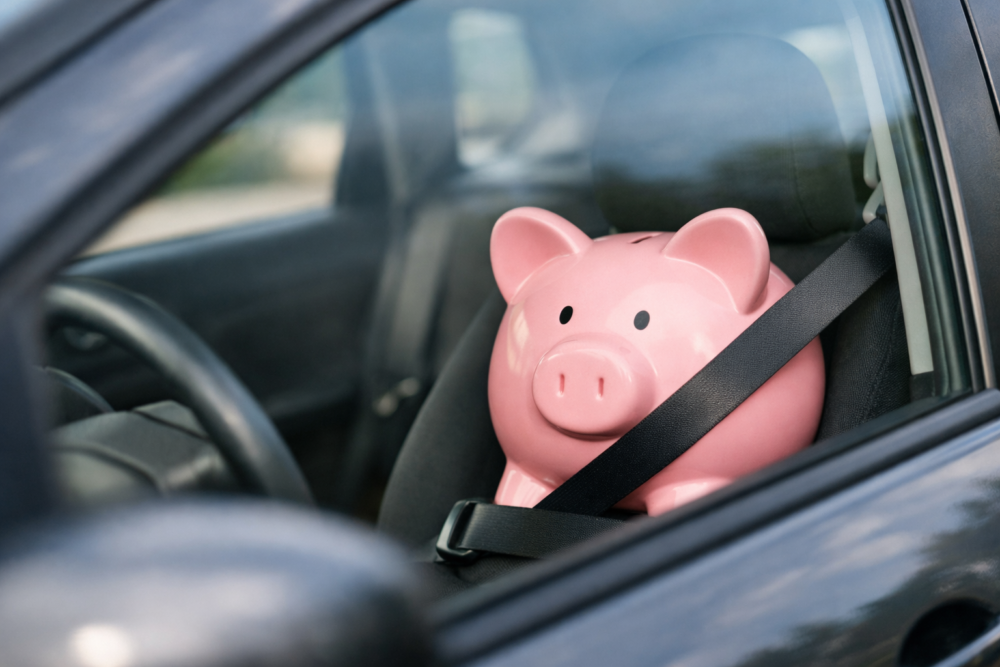
You get approved for a car loan. You drive off the lot feeling good. And then, quietly, that monthly payment starts eating your future alive.
A $799 car payment has somehow become normal. We’ve stopped asking what a car costs and started asking what monthly payment we can handle. That one mental shift is exactly why so many people feel broke while driving vehicles that look successful.
Your car isn’t just sitting in your driveway. It’s sitting inside your paycheck, consuming the most powerful wealth-building tool you have: your income.
The illusion of affordability
The car industry figured something out a long time ago. If you stretch the loan long enough, almost any price feels manageable.
That’s why 72-month and 84-month loans now make up nearly a third of all automotive financing. The monthly number drops, but the total cost doesn’t. You’re not saving money — you’re just pushing the pressure further into your future.
A $50,000 vehicle on an 84-month loan feels affordable at $650 a month. But you’re paying for a depreciating asset for seven years. By the time it’s paid off, the car is worth a fraction of what you owe in total.
The number that should scare you
The payment itself isn’t even the real problem. It’s the money that payment never gets to become.
If you took a typical $725 monthly car payment and invested it instead — in a 401(k) or Roth IRA earning an average return — you’d have over $1 million after 30 years. Over 40 years, that number climbs past $2 million.
Even smaller decisions matter. Choosing a reliable used car over a new one and investing just the $5,000 annual difference could grow to over $1.3 million over time.
Every dollar spent on something that loses value is a dollar that never gets to work for you.
What the payment doesn’t include
The monthly number is only what the dealership wants you to focus on. The real cost of owning a car is much higher:
Depreciation alone accounts for roughly half the cost of running a new vehicle. New cars lose about 60% of their value in the first five years. You’re paying loan interest on top of that loss.
Add insurance, which increases significantly for newer and more expensive cars. Add registration fees, fuel, maintenance, and unexpected repairs. By the time you add it all up, that $650 payment often becomes $1,000 or more per month in actual transportation costs.
How people with money actually drive
Social media makes it look like wealth means a leased luxury SUV. The actual data says something different.
Eight out of ten millionaires buy their cars with cash. Most drive Toyotas, Hondas, or Fords — practical, reliable vehicles that cost less to own and don’t bleed value overnight. They understand something most people don’t: real wealth is quiet. Loud money is usually borrowed.
How to stop the cycle
The goal isn’t to never own a nice car. The goal is to stop letting your car own you.
A few rules that actually work:
The 20/4/10 rule is the starting point — put at least 20% down, keep the loan to four years or less, and make sure all vehicle costs combined stay under 10% of your gross income.
When you pay off your car, don’t stop making the payment. Keep sending that same amount to yourself every month into a dedicated savings account. When you’re ready for your next car, you buy it with cash and skip the interest entirely.
And if you’re tempted by something new and expensive: a good benchmark is not buying a brand-new car until your net worth passes $1 million. Not because you can’t afford the payment, but because you’ll understand by then that the payment isn’t the point.
The real flex isn’t the car in your driveway. It’s the freedom that comes from not owing the bank for your lifestyle.
Leave a Reply